Understanding Real-World EV Range
When shopping for an electric vehicle, you'll notice manufacturers advertise maximum range figures based on ideal testing conditions. While these numbers provide a useful benchmark for comparison, everyday driving typically yields different results. Factors like highway speeds, climate control usage, terrain, and driving style all influence how far you can travel on a single charge.
Rather than fixating on maximum advertised range, consider what range you actually need for your daily routine plus a comfortable buffer. For most Cuyahoga Falls residents making regular trips around Summit County, even modest-range EVs provide more than enough capability.
Level 2 vs. DC Fast Charging Explained
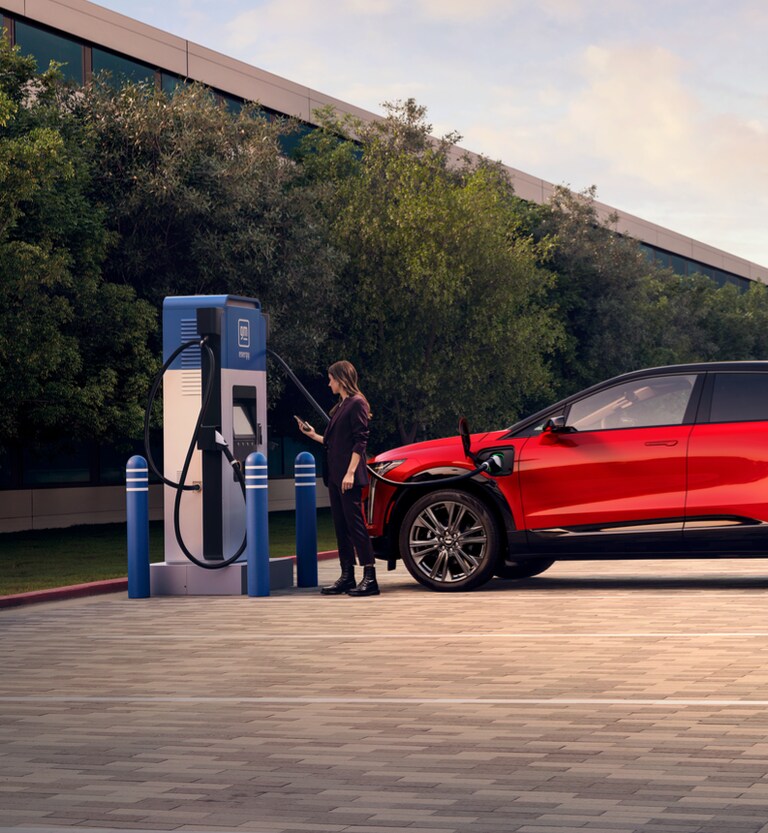
Understanding the different types of EV charging is essential for confident ownership. Level 2 charging uses a 240-volt connection-similar to what powers your clothes dryer-and typically adds between 20 to 30 miles of range per hour. This type of charging is ideal for overnight home charging or extended stops at workplaces, shopping centers, and public charging stations.
DC fast charging, on the other hand, delivers significantly more power and can add 100 miles or more of range in approximately 20 to 30 minutes, depending on the vehicle and charger specifications. Fast chargers are strategically located along major travel corridors and are designed for longer trips when you need a quick boost. Canton drivers heading out on road trips will find DC fast charging stations increasingly available along major highways throughout Ohio.
Most EV owners rely primarily on Level 2 charging for daily needs and reserve DC fast charging for travel days. This combination provides flexibility while keeping your vehicle ready for whatever the week brings.
Driving an EV Through Northeast Ohio Winters
Cold weather does affect EV range, and Northeast Ohio winters demand honest consideration of this factor. Batteries operate less efficiently in freezing temperatures, and using the cabin heater draws additional energy. During the coldest months, you may experience a 20 to 30 percent reduction in range compared to mild weather conditions.
However, this doesn't mean EVs are impractical for our region. Wadsworth drivers and others throughout Summit and Medina counties successfully navigate winters by adopting a few smart habits. Preconditioning your vehicle while still plugged in warms the cabin and battery using grid power rather than stored energy. Maintaining a comfortable battery buffer-avoiding running the charge too low-provides peace of mind during cold snaps.
Charging Solutions for Drivers Without Home Charging
Not everyone has access to a garage or dedicated parking spot for home charging, and that's okay. Many successful EV owners rely entirely on public charging infrastructure. The key is incorporating charging into activities you're already doing.
Public Level 2 chargers at grocery stores, shopping centers, gyms, and workplaces allow you to add range while going about your daily routine. Spending an hour at the gym or two hours shopping can provide a meaningful charge without changing your schedule. As charging infrastructure continues expanding throughout the Akron metropolitan area, finding convenient public options becomes easier each year.
Planning Longer Trips with Confidence
Road trips require a bit more planning with an electric vehicle, but the process is straightforward. Before departing, identify charging stations along your route using apps or your vehicle's built-in navigation system. Many EVs automatically plan charging stops based on your destination and current battery level.
Having a backup charging option provides additional peace of mind. If your preferred station is occupied or out of service, knowing about nearby alternatives keeps your trip on track. Most EV owners quickly discover that charging stops align naturally with meal breaks and rest stops, making the experience seamless.